APEC 2027 to test Phú Quốc property market's staying power
APEC 2027 is expected to boost Phú Quốc's property market through major infrastructure investment, but its long-term success will depend on real demand and sustainable growth rather than speculation.
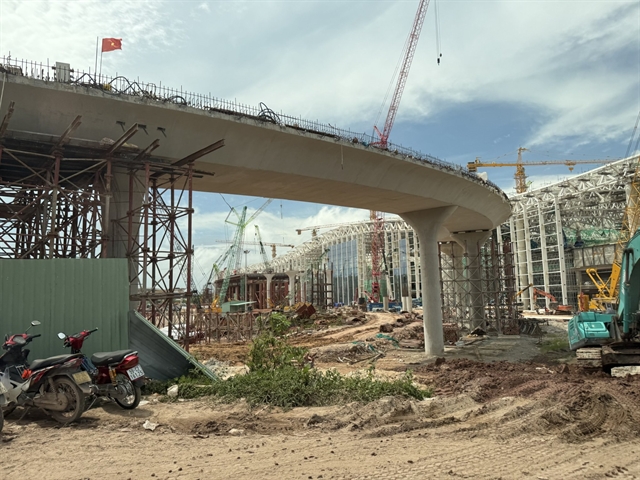
AN GIANG — With 21 major projects worth an estimated VNĐ137 trillion (US$5.4 billion) under way, Phú Quốc is undergoing a major infrastructure transformation ahead of the Asia-Pacific Economic Cooperation (APEC) Summit in November 2027.
APEC 2027 is giving the property market on Phú Quốc Island in An Giang Province a fresh boost, as major infrastructure projects move forward across the island ahead of the international event.
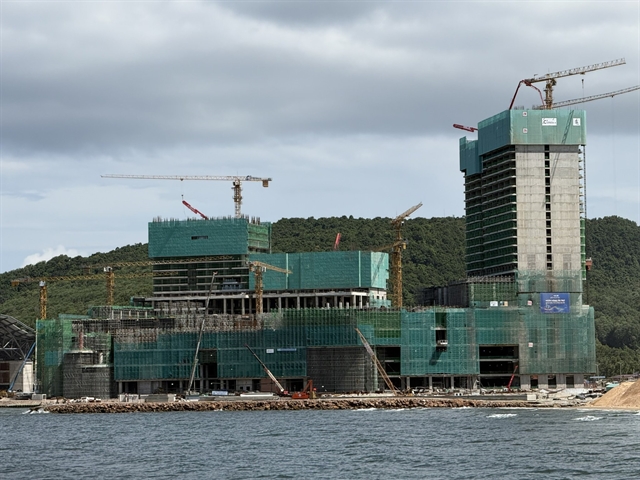
The projects include the expansion of Phú Quốc International Airport, a new conference centre, transport links and improvements to urban and environmental infrastructure.
For a property market that has experienced several cycles of rapid growth and adjustment, the investment programme is creating renewed expectations.
Yet experts say the real question is not whether the APEC Summit will lift property prices in the short term, but whether the infrastructure developed for the event can create lasting demand afterwards.
Phú Quốc has long attracted investors on the back of its tourism potential, improving infrastructure and ambitious development plans.
However, the market has also experienced periods when property prices rose sharply on expectations, only to slow when tourism demand and investment activity failed to keep pace.
APEC 2027 is now creating another wave of interest, but the circumstances are different.
Infrastructure momentum
This time, major infrastructure projects are being implemented with a clear deadline, giving investors greater visibility over the island's future development.
Cao Thị Thanh Hương, deputy director of Research and Consulting at Savills Việt Nam, said APEC 2027 had provided two important factors for Phú Quốc: an international event and a specific timetable for infrastructure development.
Improved transport and airport capacity could reduce some of the infrastructure constraints that have affected the island's growth.
David Jackson, general director of Avison Young Việt Nam and Cambodia, said better connectivity could benefit hotels, resorts and tourism-related commercial properties.
The southern part of the island, particularly An Thới, could see an earlier impact because of its proximity to new conference facilities and transport projects.
However, experts caution that infrastructure alone does not guarantee rising values across all property segments.
Properties near a new airport, road or conference centre will still need to demonstrate their ability to attract customers and generate income.
For investors, the difference between asking prices and actual transaction prices will therefore remain important as expectations surrounding APEC activities grow.
The real test begins
While APEC 2027 will bring international attention and a short-term increase in demand for accommodation and services, the event itself will last only a limited period.
The long-term impact on real estate will depend on what happens once the delegates and visitors leave.
The expanded airport could help Phú Quốc attract more international flights and visitors, while the conference facilities could support the development of meetings, incentives, conferences and exhibitions, or MICE tourism.
If these facilities generate regular demand after 2027, hotels, resorts and commercial properties could benefit from a more stable flow of visitors.
But if new infrastructure fails to create sustained economic activity, the market could face pressure from an increasing supply of accommodation and commercial space.
According to Jackson, Phú Quốc's next growth cycle should be based on the real value of assets rather than expectations of future price increases.
For resort property, this means focusing on occupancy rates, room prices, operating costs and competing supply.
Commercial property should be assessed according to visitor flows, consumer spending and rental income.
Housing, meanwhile, will need to be supported by genuine demand from the island's growing workforce rather than speculative purchases.
The expansion of tourism and services could create demand for housing, retail, logistics and other essential services, providing a broader and potentially more sustainable base for the property market.
One of the biggest challenges for Phú Quốc after the APEC meetings will be avoiding another speculative cycle.
The island has previously seen projects marketed on the promise of future price increases and guaranteed returns, rather than their actual operating performance.
The new development cycle will need to place greater emphasis on real tourism demand, operational quality and the financial capacity of developers, according to Hương.
Higher financing costs are also making it more difficult for projects to rely solely on future sales. Developers will increasingly need to ensure that their projects can operate effectively and generate sustainable revenue.
Spreading tourism benefits
For the market as a whole, tourism growth will also need to translate into wider spending.
Large integrated resorts can attract substantial numbers of visitors, but local restaurants, shops and commercial properties do not always benefit if tourists remain within resort complexes or follow organised tours.
Better connections between attractions, resorts and local communities could help spread tourism spending and support a wider range of businesses.
Environmental protection and careful planning will be equally important. Rapid construction and rising land values could place additional pressure on the island's natural resources, which remain central to its appeal as a tourism destination.
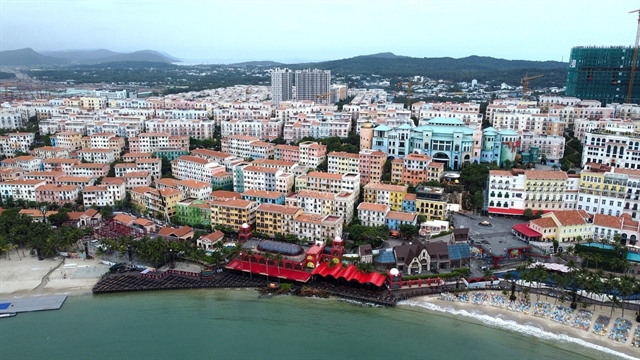
APEC 2027 could mark an important turning point for Phú Quốc real estate.
Before the event, infrastructure investment is helping restore confidence and improve the island's long-term development prospects. But the real value of those investments will be tested after 2027.
The key indicators will not simply be property prices. They will include visitor numbers, international flight connections, hotel occupancy, rental income and the ability of businesses to operate sustainably.
For investors, next November's APEC Leaders' Week should therefore be seen as a catalyst rather than a guarantee of higher returns.
The island's most successful properties are likely to be those supported by real demand, strong operations and long-term connectivity.
If Phú Quốc can turn its new infrastructure and international exposure into year-round tourism, business activity and broader economic growth, APEC 2027 could create a more sustainable foundation for its property market.
Otherwise, the island risks repeating a familiar pattern in which expectations push prices ahead of the market's underlying demand.
The real legacy of APEC 2027 for Phú Quốc real estate, therefore, will be decided not during the summit, but in the years that follow. — VNS