An Giang expands innovation-driven startup ecosystem to boost long-term growth
An Giang Province is accelerating efforts to develop a comprehensive and innovation-driven startup ecosystem, leveraging its strengths in agriculture, aquaculture, tourism, the marine economy and cross border trade to create new growth momentum in the coming decade.
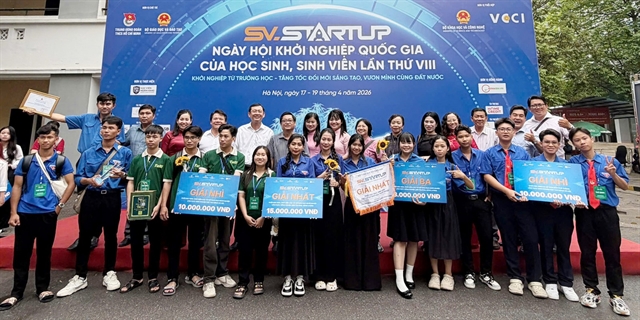
AN GIANG— An Giang Province is accelerating efforts to develop a comprehensive and innovation-driven startup ecosystem, leveraging its strengths in agriculture, aquaculture, tourism, the marine economy and cross border trade to create new growth momentum in the coming decade.
With favourable natural conditions and a diversified economy, the southern province is positioning innovation as a key driver of socio-economic development to boost productivity, competitiveness and new business models linked to digital transformation.
Under a programme running through 2030, the provincial People’s Committee aims to build a more dynamic startup ecosystem based on science, technology and innovation.
According to Nguyễn Thanh Phong, permanent vice chairman of the provincial People’s Committee, the programme is designed to turn innovation-driven entrepreneurship into a key driver of economic growth, while fostering enterprises capable of scaling up, applying advanced technologies, and integrating into domestic and global value chains.
He emphasised that the province is not only targeting an increase in the number of startups but also prioritising improvements in quality, sustainability and market readiness.
For 2026-30, An Giang aims to strengthen its startup ecosystem through education reform, digital transformation and targeted business support.
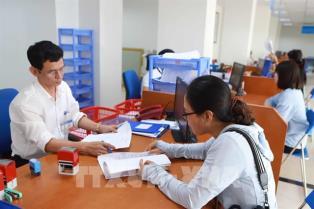
All universities and vocational schools are expected to integrate innovation and entrepreneurship into training programmes, while key business registration procedures will move fully online to improve transparency and reduce market entry barriers.
The province targets 60 per cent of businesses adopting digital tools and 40 per cent using shared digital platforms. It also plans to support at least 300 startup ideas and projects, including 150 in incubation and acceleration programmes.
At least 100 innovative startups are expected to be established, including 20–25 operating in high-tech and strategic technology sectors. The province also hopes at least 10 startups will secure funding from investment funds, angel investors or national support programmes.
Recognising human capital as key to innovation, the province plans to provide startup and innovation training for around 10,000 people, including students, entrepreneurs, officials, youth and women, focusing on business planning, innovation management, digital skills and market-oriented thinking to support long-term ecosystem development.
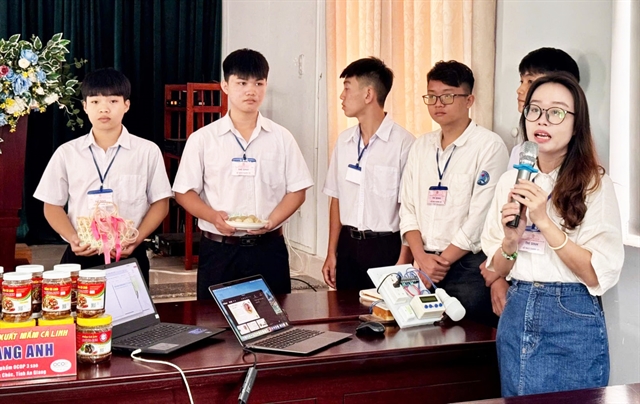
An Giang also plans to invest in innovation infrastructure, including innovation centres, co-working spaces and startup support facilities, with at least two provincial incubation centres to support startups at different development stages.
A network of around 50 mentors from inside and outside the province will also be established to guide entrepreneurs and help commercialise innovative ideas. Total funding for the programme is estimated at VNĐ90–100 billion (US$3.6–4 million), with 60–70 per cent from the State budget and the rest mobilised from private and social resources.
The province has identified six priority solution groups, including promoting entrepreneurship, supporting incubation in sectors such as high-tech agriculture and logistics, strengthening innovation-focused education, improving policies and administrative procedures, piloting new technologies and expanding links between startups and existing businesses within value chains.
Nguyễn Xuân Niệm, chairman of the An Giang Startup and Innovation Association, said the association currently has 108 official members, including experts in artificial intelligence, digital transformation and startup mentoring.
He noted that the association aims to act as a practical bridge connecting startups with enterprises, investors, experts and training institutions, while ensuring that support policies are effectively delivered to the right beneficiaries and aligned with actual needs.
In the short term, the association will focus on strengthening ecosystem links, helping startups access markets, partnerships and investment, while improving coordination with State agencies.
Provincial leaders said the programme aims to improve both the number and quality of startups by supporting businesses from incubation to commercialisation and strengthening entrepreneurs’ capabilities in governance, fundraising and market access. — VNS