A gateway for Vietnamese goods to the South American market
Uruguay's strong purchasing power, political stability and strategic position within Mercosur make it one of the region's most promising markets for Vietnamese exporters.
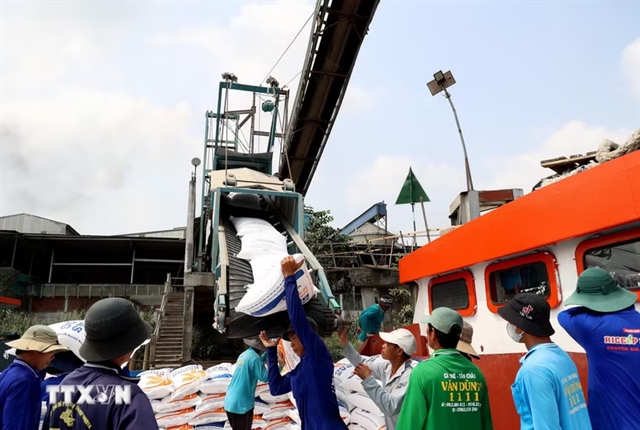
HÀ NỘI — Uruguay is emerging as a strategic gateway for Vietnamese exports to South America, offering businesses access not only to its domestic market, but also to the wider Mercosur trade bloc.
According to the Vietnam Trade Office in Argentina, which also covers Uruguay and Paraguay, Uruguay's strong purchasing power, political stability and strategic position within Mercosur make it one of the region's most promising markets for Vietnamese exporters.
Unlike many Latin American economies that frequently experience high inflation or exchange rate volatility, Uruguay is regarded as one of the region's most stable countries.
A transparent legal system, a stable political environment and an open foreign exchange policy have helped create a favourable business climate for foreign companies, making it easier for them to invest, conduct cross-border transactions and repatriate profits.
As a founding member of Mercosur, Uruguay also has modern seaports and free trade zones, including the Zonamerica Free Trade Zone. Many multinational companies use the country as a logistics hub for distributing goods to Brazil, Argentina, Paraguay and neighbouring markets.
Although Uruguay has a relatively small population, it ranks among the region's highest-income markets. GDP per capita stands at approximately US$25,000 and is expected to continue rising in the next few years.
Combined with an urbanisation rate of more than 95 per cent and a sizeable middle class, this creates a sophisticated consumer market.
Uruguayan consumers are generally less price-sensitive and place greater emphasis on product quality, brand reputation, durability and sustainability. This presents an advantage for Vietnamese businesses that are shifting from competing on price to competing on quality and value-added products.
Trade between Việt Nam and Uruguay has grown rapidly in recent years, with bilateral turnover nearly tripling between 2021 and 2025. Yet Vietnamese products account for only about 1 per cent of Uruguay's total imports, suggesting considerable room for expansion in a market that imports roughly $13 billion worth of goods each year.
Việt Nam has strong competitive advantages in machinery, electrical and electronic equipment, mobile phones, footwear, textiles and garments, fertilisers, plastics and plastic products. Notably, Vietnamese footwear accounts for nearly 22 per cent of Uruguay's footwear imports, while Vietnamese electrical and electronic equipment has captured close to 6 per cent of the market. These figures provide a solid foundation for further export growth.
Beyond traditional exports, Uruguay's growing preference for sustainable consumption is opening new opportunities for energy-efficient products, smart electrical equipment, environmentally friendly materials and certified sustainable goods.
Processed foods, value-added agricultural products, spices, dried fruits, processed seafood and high-quality construction materials are also considered promising export categories, as consumers place increasing importance on product quality and traceability.
To capitalise on these opportunities, the Vietnam Trade Office in Argentina said Vietnamese businesses need to adopt a different market strategy. Uruguay is not a market where competing on price alone is likely to succeed.
Consumers value brand reputation, consistent product quality and reliable after-sales service. As Spanish is the primary language used in business transactions, companies are encouraged to invest in Spanish-language or bilingual English-Spanish websites, catalogues, packaging and technical documentation to enhance their professionalism.
Long geographical distances and high logistics costs remain significant challenges. However, businesses can leverage Uruguay's free trade zones to establish distribution hubs, shorten delivery times and expand their reach across Mercosur member countries.
Participating in trade fairs and industry exhibitions will also help companies connect directly with importers and major distribution networks across the region.
Uruguay has consistently supported greater trade liberalisation within Mercosur and has actively promoted trade agreements with partners outside the bloc, including Việt Nam. Progress in negotiations on a Preferential Trade Agreement between Việt Nam and Mercosur is expected to help reduce tariffs and further strengthen the competitiveness of Vietnamese exports.
If negotiations continue to advance, alongside expanded trade promotion activities, stronger support for businesses in building distribution networks and broader market access for agricultural and processed food products, Việt Nam's exports to Uruguay are expected to gain further momentum.
As Vietnamese exporters continue to diversify beyond their traditional markets, Uruguay offers both immediate commercial opportunities and long-term strategic value. Its stable business environment and privileged access to the Mercosur market position it as an effective entry point for expanding Việt Nam's trade presence across South America. — VNS